Product information rarely starts in one place — it arrives from suppliers, ERP and PLM systems, existing DAMs and CMS platforms, pricing, translation and content services. Pimberly holds it centrally as a PIM and DAM platform, governing hierarchies the business defines (a fashion product split into style, colour and size, with values inheriting up and down), attributes configured through the interface rather than in code, and digital assets held against the product record itself with full version history.
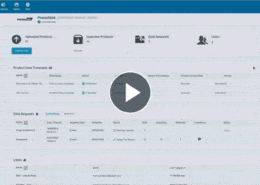
Suppliers submit through the Vendor Portal against templates and validation rules the business sets, so errors surface before data reaches Pimberly, and automated feeds map and clean everything else. Pimberly AI generates descriptions for different audiences from that governed data, with every AI edit following the same permissions, approvals and audit trail as a person’s. Lifecycle stages control when a product can move forward, and release to a channel can be blocked until it’s ready. The same record then distributes to every destination through Pimberly’s trading partner and marketplace connectors, checked against each destination’s requirements before it goes — so rejections surface in Pimberly, not at the channel. Product data is onboarded, enriched and governed once, then published everywhere, with a full history of how it got there.