Pimberly
  • Product Tour
    • Platform Features
      • Product Information Management Platform
      • Digital Asset Management
      • Catalog
      • Automated Product Spec & Sell Sheets
      • Auto Sizing Charts
      • Pimberly AI
      • Customer Portal
      • Vendor Portal
      • Workflows
      • eCatalog – Product Previewer
    • Video Tour
      • 1 Minute Demo
      • 3 Minute Demo
      • 25 Minute Demo
    • AI Capabilities
      • Pimbles
      • ColorAI
      • ImageAI
      • CopyAI
    • Integrations
  • Solutions
    • PIM by Industry
      • Manufacturers
      • Distributors
      • Retailers
    • PIM by Sector
      • Fashion & Apparel
      • Multi-Brand Retailers
      • Construction
        • Builders’ Merchants
        • Building Materials Manufacturers
        • Bathroom Businesses
      • Food & Beverage
      • Uniform Distributors
      • Electrical/Mechanical
      • Brands
      • HVAC
      • IT Distributors
      • Homewares
    • PIM by Job Role
      • Senior Management
      • Product Managers
      • eCommerce
      • IT
      • Marketing & Sales
    • Business Benefits
  • What is PIM?
    • What is DAM?
  • Case Studies
  • Pricing
  • Resources
    • Resource Center
      • Whitepapers
      • Blog
      • Press
      • News
      • Pimberly PIM Platform Tour
      • Glossary
    • Events & Webinars
    • Content Hubs
      • I’m researching PIM
      • I’m researching Pimberly
      • I’m researching eCommerce
  • About
    • Careers
    • Partners
      • Our Partners
      • Become a Partner
    • Corporate
      • ESG
    • The Pimberly Story
    • Contact Pimberly
  • Book a Demo
  • Menu

Onboarding Supplier Product Information with Vendor Portal

Watch Now

A hard-coded product model forces a business to describe its range the way the software expects. Pimberly’s product types are configured through the interface, covering physical products and their variants but equally services, digital goods, bundles and any other structure the business uses. New types are added through the interface, with the group behaviour and variants defined, which is what allows structures of any depth to be built. With the right permissions, a business user can adjust the data model this way, including creating additional attributes, without development support.

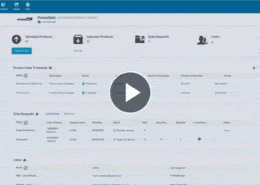
With Pimberly’s Vendor Portal, you can:

  • See how many products each supplier has uploaded at a glance
  • Review supplier-submitted products and choose exactly which information to view, from high-level product details to supplier-level data
  • Filter and search by column to find the products that are ready for onboarding
  • Accept products in bulk and move them straight into enrichment as part of the full product lifecycle
  • Reject products with comments that are sent to the supplier as a notification, so they can fix the data before their next import

See how it works in the video below:

More like this…

Configuring Product Types

The Product Detail Page

Pimberly Dashboards

SupplierData thumb.gif

Importing and Validating Product Data with Vendor Portal

See more videos

WHY PIM?

  • For your business
    • What is a PIM?
    • What is DAM? Guide to Digital Asset Management
    • Business Benefits of PIM
  • For your industry
    • Distributors
    • Manufacturers
    • Retailers
DMCA.com Protection Status

PRODUCT TOUR

  • Product Information Management Platform
  • Digital Asset Management
  • Workflows
  • Pricing
  • Implementation
  • Integrations
    • Technology
    • API Documentation

RESOURCES

  • Resource Center
  • Blog
  • Whitepapers & Guides
  • Events & Webinars
  • Glossary
  • Pimberly PIM Platform Tour
  • News
  • FAQ

GET IN TOUCH

  • Contact Us
  • Book A Demo
  • Our Partners
  • Become a Partner
  • Sitemap
  • Terms and Conditions
  • Privacy Policy
  • Twitter
  • LinkedIn
The Product Detail Page
Scroll to top